
One of my earliest memories is my mum driving around the City in London in the early 1980s rescuing house plants. She and my step dad had discovered that as soon as the plants that decorated the huge shiny glass offices in the financial district of London dared to show even a single yellow or brown leaf, they were discarded and placed outside with the bins, only to be replaced by a new lusher, greener, shinier plant. The rejected plants were duly scooped up by my parents in our bashed up estate car, brought home and lovingly brought back to full health. We soon had ten foot tall monsteras and climbers that crept all the way up the walls of our small Georgian terraced house in Hackney and up over the window frames. My mum has always had an affinity with plants and she couldn’t bear to think of them heading for the bin.
Sadly, for years house plants were out of fashion. As we embraced full on consumer culture, house plants were seen as a bit old fashioned – retro, but in a bad way. So it makes me extremely happy that they have made such a comeback, and in spectacular fashion. This is one ‘trend’ that we can all get on board with, in the full knowledge that it will be good for ourselves and the environment. After all, they remove carbon dioxide and toxins from the air, and produce life giving oxygen; they help to reduce the harmful effects of working in close proximity to computers and using wifi, and they are also extremely good for our mental and physical health and wellbeing.
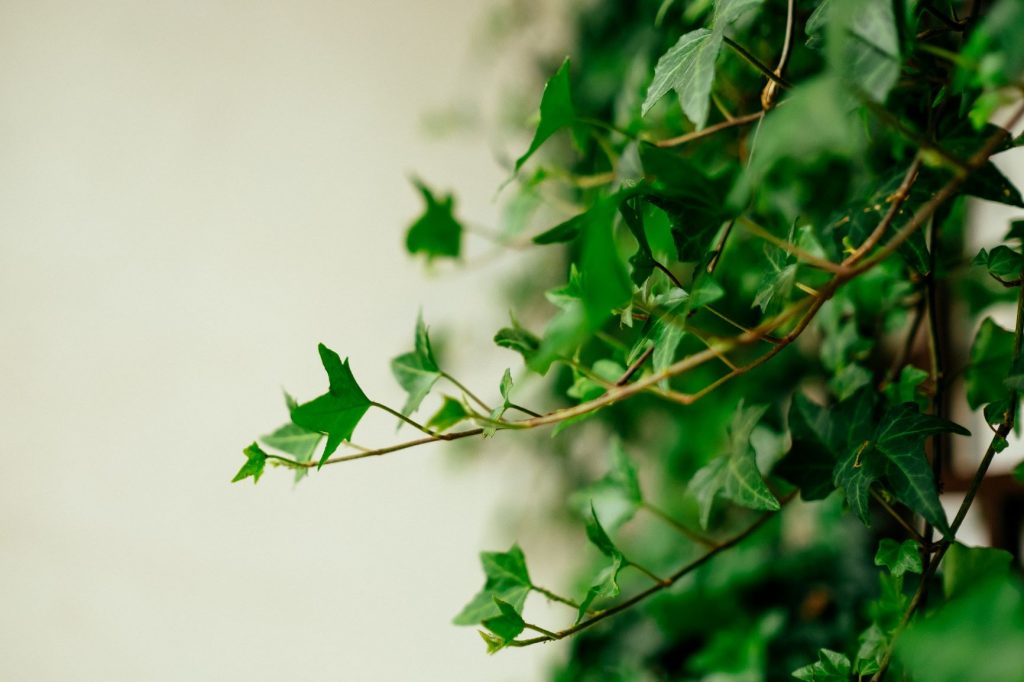
The health giving properties of house plants is quite well documented now and you might have heard about the NASA clean air study that was done to find ways to keep the air clean inside space stations. The results suggested that not only do plants take harmful carbon dioxide from the air and produce oxygen, but they can also filter out other air borne toxins, many of which we now find in our homes due to the harmful chemicals often found in textiles, carpets, furniture and paints or even produced while cooking food or burning candles.

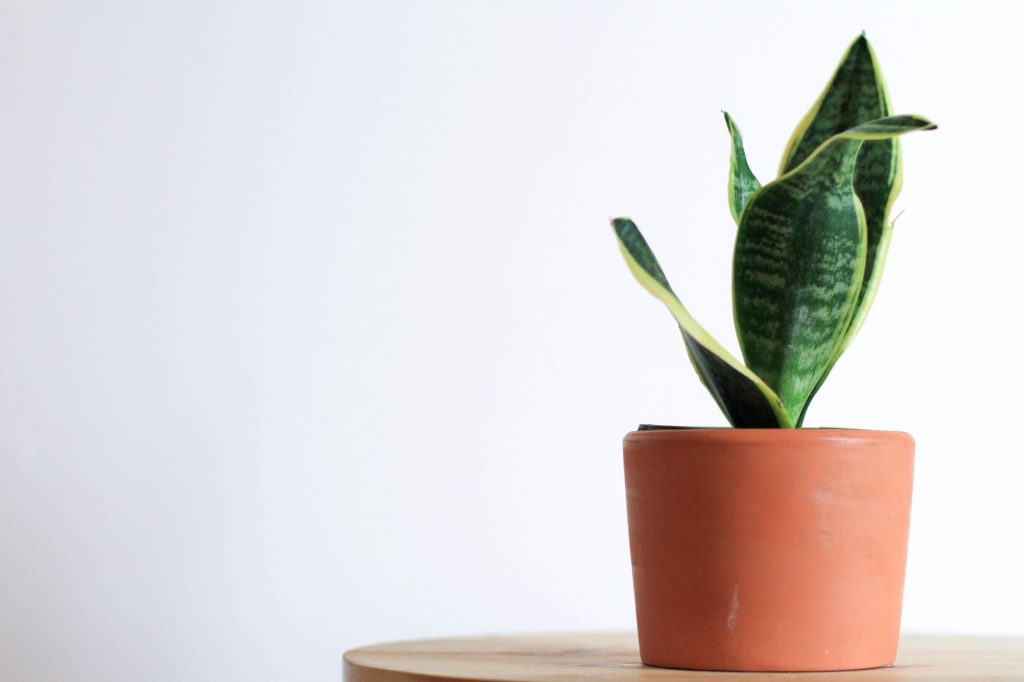
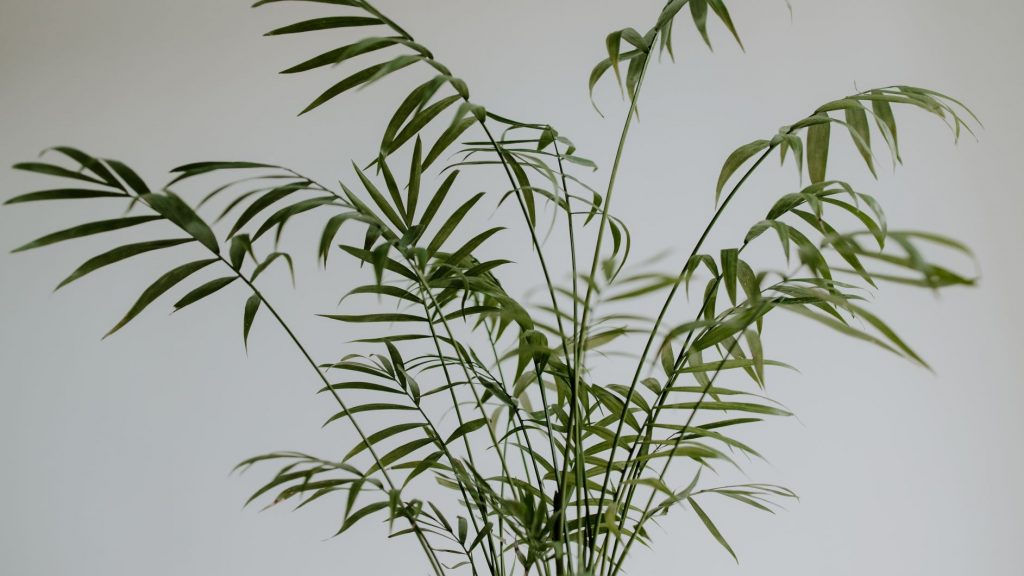
The study tested lots of different plants for their air purifying properties, but there were a few that came out on top for being particularly efficient at filtering out harmful toxins. Luckily, these are also some of the most common house plants, are easy to care for and easy to get hold of. The best air purifying plants identified in the study included English Ivy, Parlour Palm and Lady’s Palm, Mother-in-Law’s Tongue and Dracaena. But not only can plants help to clean the air we breathe, they also help us feel better emotionally too. Having living plants in our homes literally brings a space to life, reassures our minds that this is a safe and healthy place to be and can reduce anxiety and depression.

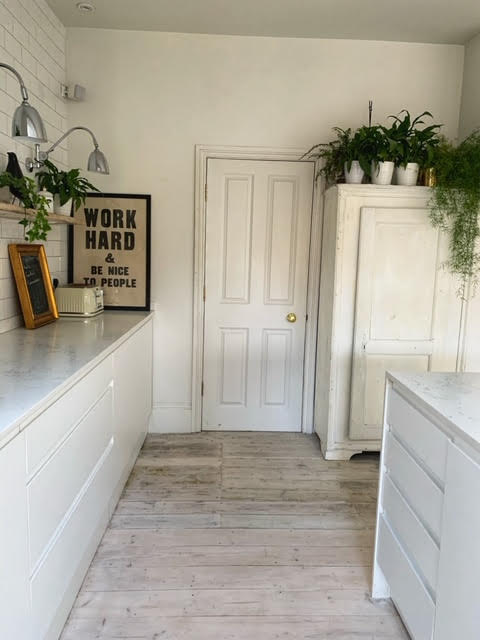
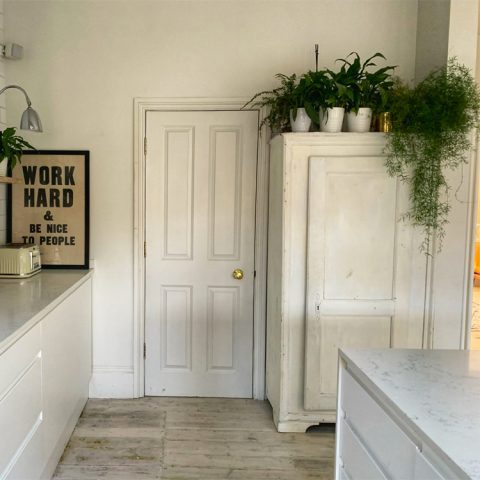
Some of my favourites are pothos, also good for purifying air (in our kitchen hanging next to the pillar); peace lilies, which are very easy to look after and will grow in almost any conditions; and the asparagus fern (asparagus springeri) , seen below on the shelf and on top of my vintage cupboard, which grows very fast and is a vibrant green waterfall of frothy fronds.
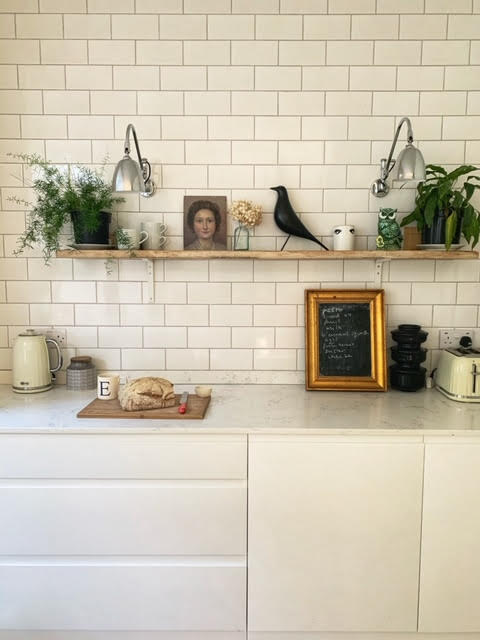
Interestingly, plants seem to do better when they are grouped with other plants and there is evidence that plants communicate with each other and can they benefit from being placed near other plants, where they can exchange chemicals and create humidity. Style wise, I love to use them when styling shelves, and find that larger house plants bring life and interest when placed in the corners of rooms.
My love for house plants knows no bounds. My plans include creating a living wall of ferns (I’m undecided if this will be in the sitting room or kitchen); creating a hanging garden in the entrance hall and experimenting with propagating some of my favourites so that I can fill even more spaces with beautiful greenery.



0 Comments